What Is a Whipped Cream Charger?
A common question is, “what is a whipped cream charger?” A culinary charger is a pressurized container designed to supply food-grade nitrous oxide to compatible whipping equipment. In a properly assembled dispenser, the gas dissolves into a chilled cream mixture under pressure. When the mixture is dispensed, the pressure drops and the dissolved gas expands, helping create a light foam.
People also search for “what are cream charger” or “what are cream chargers used for.” In professional food preparation, they may be used for whipped cream, cold dessert foams, flavored toppings, selected sauces and culinary infusions supported by the equipment manufacturer. A nitrous oxide charger should be matched carefully with the dispenser, regulator or transfer equipment for which it was designed. Never improvise a connection or use damaged equipment.
Understanding Cream-Charger Terminology
Terms such as nitrous oxide canisters, nitrous oxide cannisters, nitrous oxide chargers whipped cream, whipped cream nitrous oxide chargers, N2O cream chargers and nitrous oxide canister are frequently used for related product categories. Spelling may vary, but compatibility is more important than terminology. Before ordering, verify the connection type, capacity, operating instructions and intended culinary application.
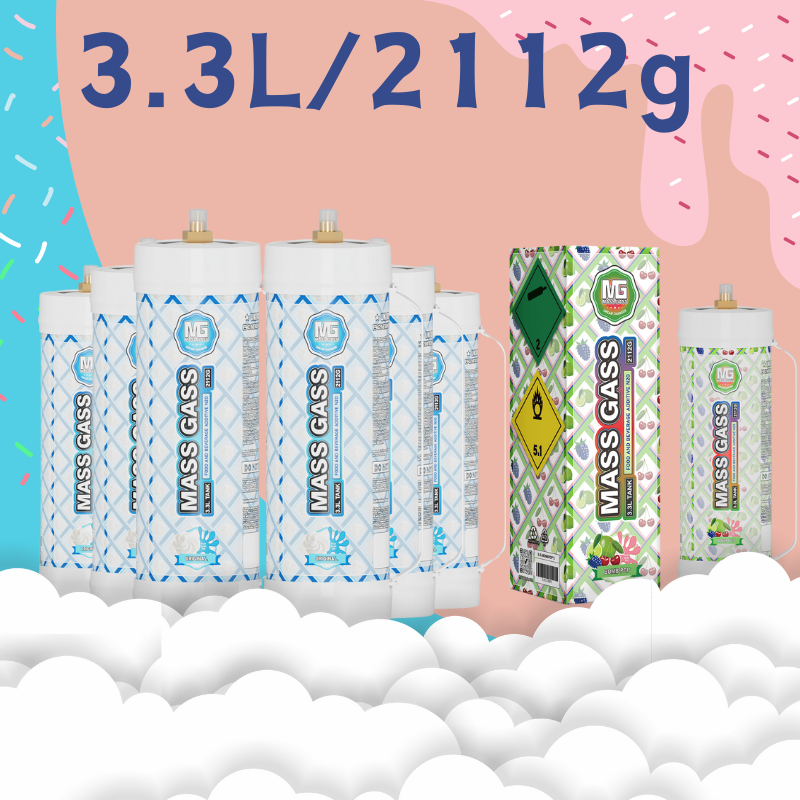
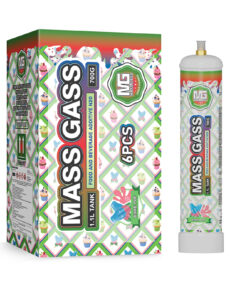
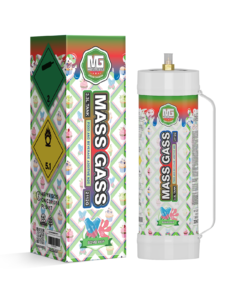
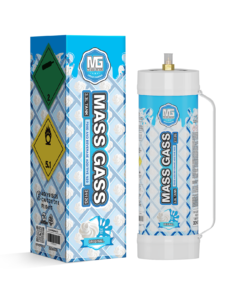
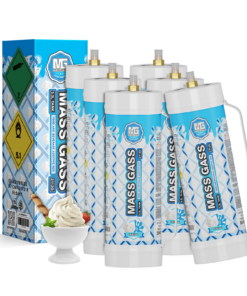
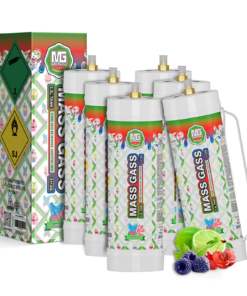
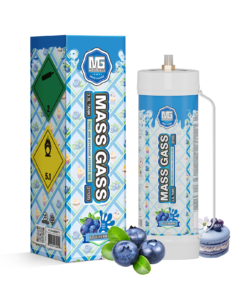
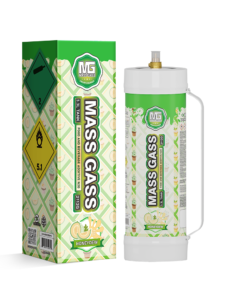
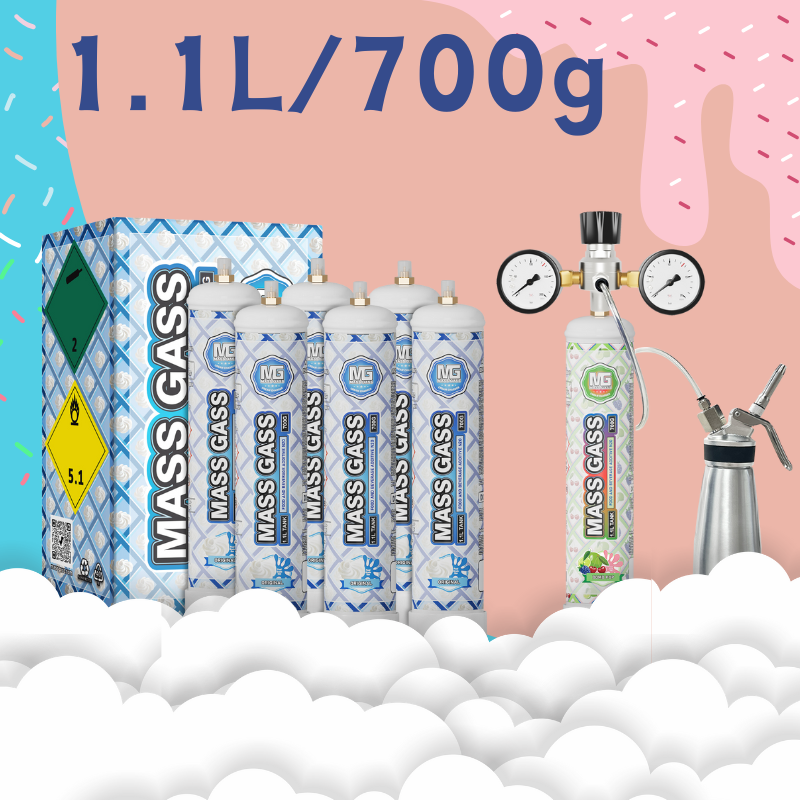
A whipped cream charger tank is different from a small single-use charger. Larger cylinders hold more product and may require a compatible pressure regulator, hose or commercial filling assembly. Product dimensions, contents and connection details should be reviewed individually rather than assuming that every cylinder fits every dispenser.
Culinary Use Only
Nitrous oxide is used in food equipment as a culinary propellant, but that does not make recreational use safe. The answer to “is nitrous oxide in whipped cream safe to eat” depends on using a food-grade product correctly in compatible culinary equipment and following all manufacturer instructions. Direct inhalation from chargers, balloons, dispensers, cylinders or tanks is dangerous and is not an intended use.
Choosing the Right Culinary Format
Nitrous oxide tank sizes can vary significantly. Search terms such as nitrous tank sizes, N2O tank, N20 tank, nitrous oxide bottle sizes, mini nitrous tank and nitrous oxide large tank describe broad categories rather than a universal sizing system. Compare the labeled net contents, cylinder volume, valve specification and compatible equipment before purchasing.
A nitrous oxide tank full of culinary propellant remains a pressurized container and must be stored securely. Keep every cylinder upright where required by its label, away from excessive heat, open flames, children and unauthorized users. Do not use a cylinder that is dented, corroded, leaking, exposed to fire or missing required labeling.
Options for Different Kitchen Volumes
For a compact culinary format, customers can review the unflavored compact option or view the corresponding specialty selection. These listings provide an alternative to larger products when a kitchen does not require a high-volume format.
Food-service operators with greater production needs can open the standard larger-format listing, explore a fruit-inspired selection, review another culinary variation or see an additional larger-format option.
Case configurations may be more practical for kitchens that prepare desserts and beverages throughout the day. Buyers can review the classic case configuration or compare the alternate case selection.
How to Use a Whipped Cream Charger Safely
Customers asking how to use a whipped cream charger, how to use whipped cream chargers or how to use a whip cream charger should begin with the instructions supplied with their dispenser and charger system. Confirm that every component is compatible, clean and undamaged. Chill the cream and recipe ingredients, fill the dispenser only to its marked capacity and secure the dispenser head correctly.
Attach the approved charging component exactly as directed by the equipment manufacturer. Do not force incompatible fittings, bypass a regulator or exceed the dispenser’s rated pressure. After charging, follow the specified shaking and resting procedure. Keep the nozzle pointed away from faces and hands, and test the dispenser carefully before serving food.
How to Use a Whipped Cream Canister
The process for how to use a whipped cream canister or how to use a whip cream canister varies by model. Some dispensers accept individual chargers, while tank-based systems may require a manufacturer-approved regulator and filling connection. A whipping cream dispenser should never be connected directly to a large cylinder unless the complete system is expressly designed for that configuration.
Searches such as “whipping cream dispenser how to use,” “how to use whipping cream dispenser” and “how to use whip cream dispenser” all point to the same essential rule: follow the manual for the exact model in front of you. General internet instructions cannot replace the pressure limits, filling capacity and cleaning procedure specified by the manufacturer.
Can a Dispenser Be Used Without a Charger?
People sometimes ask how to use whipped cream dispenser without charger. A pressure-operated culinary dispenser generally requires its designated propellant source to produce its intended texture. Do not substitute compressed air, carbon dioxide or another gas unless the equipment manufacturer explicitly permits it. For recipes that do not require a charger, a hand whisk or electric mixer is the safer alternative.
Troubleshooting Whipped Cream That Will Not Dispense
If whipped cream is not coming out, stop and inspect the equipment rather than adding more pressure. A whipped cream can not working, whipped cream nozzle not working or whip cream nozzle not working may be caused by cream that is too thick, an overfilled bottle, insufficient chilling, a blocked tip, incorrect assembly, a spent charger or an incompatible component.
Never open a dispenser that may still be pressurized. Follow the manufacturer’s depressurization instructions first. Once pressure has been released safely, remove and clean the nozzle, valve and gasket as directed. Avoid sharp objects that could damage the valve or sealing surfaces.
Preventing Cream Splitting
Cream splitting can occur when dairy is too warm, overly acidic, overworked or mixed in an unsuitable ratio. A cream split mixture may look grainy, watery or curdled rather than smooth. For a stable result, use fresh chilled ingredients, measure accurately, avoid overfilling the dispenser and test acidic flavorings in small quantities.
Spoiled heavy cream or spoiled cream should never be used to fill a dispenser. Sour odor, unexpected separation, mold, swelling packaging or a significantly changed color can indicate spoilage. When in doubt, discard the ingredient rather than tasting it to determine whether it is safe.
Whipped Cream, Whipping Cream and Heavy Cream Explained
The difference between whipped cream and whipping cream is mainly that whipping cream describes the liquid dairy ingredient, while whipped cream is the aerated result. The phrase “is fresh cream and whipped cream same” has a similar answer: fresh cream is a broad dairy term and does not necessarily mean it has been whipped.
The difference between cream and whipping cream depends on fat content and regional labeling. “Cream” can describe several dairy products, while whipping cream is formulated with enough milk fat to hold air when whipped. Is whipping cream sweetened? Usually it is sold unsweetened, although consumers should always check the ingredient label.
Heavy Cream Versus Whipping Cream
Questions such as “what the difference between heavy cream and whipping cream,” “what’s the difference between heavy and whipping cream,” “difference between whipping and heavy cream,” “difference whipping cream and heavy cream” and “heavy cream whipping cream difference” generally refer to milk-fat content. In the United States, heavy cream or heavy whipping cream typically contains more milk fat than products labeled simply whipping cream.
Heavy whipping cream vs whipping cream can matter when a recipe needs a firm, long-lasting topping. Higher-fat cream generally produces a richer texture and more stable peaks. Regular whipping cream may create a lighter result. Both can work, but the recipe and desired texture should guide the choice.
What is the difference between whipping cream and heavy whipping cream for savory food? Whipping cream vs heavy cream for pasta often comes down to richness and sauce stability. Heavy cream can produce a fuller sauce, while whipping cream may create a lighter finish. Neither should be allowed to boil aggressively because excessive heat can cause separation.
Double Cream and Other Comparisons
Double cream and whipping cream are not identical. Double cream is a high-fat product common in the United Kingdom, while U.S. whipping cream normally contains less fat. Double cream vs whipped cream compares an unwhipped dairy product with an aerated preparation, so the terms describe different stages as well as different fat levels.
Heavy whipping cream vs cream and difference between cream and heavy cream are also labeling questions. Cream is the broad category; heavy cream is a specific high-fat type. Similarly, heavy whipped cream vs heavy cream compares a finished whipped preparation with the liquid ingredient used to make it.
Whipped Topping Versus Whipped Cream
Whipped topping vs whipped cream is a comparison between two products that may look similar but can have different ingredients. Traditional whipped cream is generally made from dairy cream and may include sugar or flavoring. Commercial whipped topping may use water, sweeteners, oils, stabilizers and other ingredients to produce a longer-lasting texture.
The difference between whipped cream and Cool Whip depends on the specific product label. Whipped cream is usually dairy-based, while branded whipped toppings can include vegetable oils and stabilizers. Whipped cream vs whipped topping therefore involves flavor, ingredients, storage, mouthfeel and stability rather than appearance alone.
Topping cream vs whipping cream and whipping cream vs whipped topping follow the same distinction. Whipping cream is a liquid dairy ingredient intended to be aerated. Topping cream may refer to a stabilized cream product, non-dairy topping or product designed specifically for decorating. Check the package rather than relying only on the name.
Is Whipped Cream a Solid or Liquid?
Is whipped cream a solid or liquid? It is best described as a foam: gas bubbles dispersed throughout a liquid phase, with milk fat helping stabilize the structure. It behaves partly like a soft solid because it can hold shape, but it still contains a continuous liquid component.
Is whipped cream a suspension? Not in the simplest technical sense. A suspension generally contains solid particles dispersed through a liquid. Whipped cream is primarily a gas-in-liquid foam whose fat network helps keep bubbles from collapsing.
Storing Whipping Cream and Prepared Toppings
Storing whipping cream correctly protects both quality and food safety. Keep unopened and opened dairy products refrigerated according to their labels. U.S. food-safety guidance recommends maintaining the refrigerator at 40°F or below. Review the government food-storage recommendations for broader refrigeration guidance.
How to store fresh cream is simple: keep it cold, close the container tightly, avoid leaving it at room temperature and use it by the date and storage period stated on the package. Do not pour unused cream back into the original container after it has contacted other foods or utensils.
How to Keep Whipped Cream
For anyone asking how to keep whipped cream, how to preserve whipped cream or how to store homemade whip cream, transfer the prepared topping to a clean covered container and refrigerate it promptly. Homemade whipped cream is most appealing when used fresh. Stabilized recipes may hold their texture longer, but refrigeration is still required.
How to store fresh whipped cream also depends on its ingredients. Added fruit puree, dairy fillings or cooked components may change the safe storage period. Labeling containers with the preparation date can help a commercial kitchen maintain proper rotation.
Does whipped cream need to be refrigerated? Dairy-based whipped cream does. Aerosol whipped cream after opening should also be stored according to its package directions. Questions such as “does Reddi-wip need to be refrigerated before opening” should be answered by checking the exact product label because storage instructions can differ among refrigerated and shelf-stable products.
Flavor Ideas for Desserts and Beverages
Flavored culinary toppings can add color, aroma and contrast to coffee, hot chocolate, pastries and plated desserts. Blueberry whip cream or blueberry whipping cream pairs naturally with lemon cake, vanilla pudding, pancakes and berry drinks. Strawberry matcha cream can soften matcha’s earthy notes while adding fruit flavor and visual contrast.
Pistachio hot chocolate can be finished with lightly sweetened whipped cream and crushed pistachios. Pistachio white chocolate offers another rich combination for winter drinks, mousse, cake filling or dessert sauces. Always strain mixtures thoroughly before placing them in a dispenser because seeds, nuts and thick particles may block the valve or nozzle.
Flavored Culinary Products
Flavored nitrous, flavored nitrous gas, nitrous oxide flavored and nitrous oxide flavors are search terms often used for cylinders marketed for culinary preparation. Flavor should complement the recipe rather than overpower it. Product labeling should be checked for ingredients, allergens and intended applications before use.
Customers interested in individual specialty formats can review this compact culinary selection or see the corresponding classic option. Products should be purchased for food preparation only and used exactly as labeled.
Culinary Inspiration Beyond Basic Whipped Cream
Whipped cream charger recipes can include dessert foams, beverage toppings and cold sauces approved for the dispenser being used. A banana cream Bundt cake can be served with vanilla topping and sliced banana. A pan dulce with cream filling may use a stable dairy filling prepared separately and piped into fully cooled bread.
Cream mochi or a whip cream mochi recipe combines a soft rice-flour exterior with a chilled filling. Because thick mixtures can clog culinary dispensers, prepare the mochi filling in a bowl unless the dispenser manufacturer provides an appropriate method. Keep dairy-filled mochi refrigerated.
Seasonal Oatmeal Cream Pie Ideas
A gluten free oatmeal cream pies recipe can use certified gluten-free oats and a flour blend intended for baking. Anyone asking “are oatmeal cream pies gluten free” should check the specific product, since conventional oats or manufacturing environments may introduce gluten. Homemade gluten free oatmeal cream pies allow greater control over ingredients and cross-contact precautions.
Pumpkin oatmeal cream pies and pumpkin spice oatmeal cream pies combine soft oatmeal cookies with a spiced filling. The related terms oatmeal pumpkin cream pies, oatmeal pumpkin creme pies and pumpkin spice oatmeal creme pies describe similar seasonal desserts. Cool the cookies completely before filling them so the cream does not melt.
International and Savory Ideas
Cherry karpatka is inspired by the Polish cream-filled pastry traditionally made with choux-style layers. Fairy cakes in England are small individual cakes that can be topped with cream, icing or fruit. Po’e is a Polynesian-style fruit pudding that may be served with coconut or dairy toppings depending on the recipe.
A Mexican corn in the cup recipe combines corn with creamy, tangy and savory ingredients. Searches for how to make Mexican corn in a cup, how to make street corn in a cup and Mexican street corn in a cup recipe generally refer to elote-style corn served in a cup. This savory dish does not require a cream charger, but a carefully prepared cold foam may be used as a modern presentation element.
Fried matzo brei combines softened matzo with egg before cooking. Search variations include fried matzo recipe, recipe for fried matzo, how to make fried matzo and how do you make fried matzo. For savory plated dishes, a light thyme jus or lemon thyme sauce may provide a more balanced accompaniment than sweet whipped cream.
Wholesale Cream Chargers for Food-Service Businesses
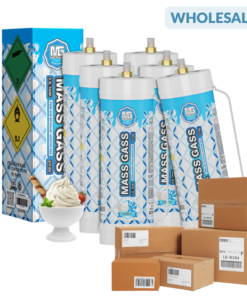
Restaurants, cafés, bakeries, caterers and authorized distributors may need wholesale cream chargers or cream chargers bulk ordering rather than individual units. Purchasing decisions should be based on documented kitchen demand, storage capacity, staff training and equipment compatibility—not simply the lowest unit price.
Common commercial searches include nitrous oxide wholesale, nitrous oxide bulk, whip cream chargers bulk, whip cream chargers wholesale, cream charger wholesale, buy cream chargers in bulk, bulk cream chargers, cream chargers wholesale, pallet of cream chargers and cream chargers pallet. Availability and purchasing requirements may vary by location, customer type and order quantity.
Businesses can request commercial-ordering information or review the dedicated volume-order listing. Before placing a large order, confirm applicable age restrictions, business requirements, shipping limitations, storage procedures and local laws.
Where to Buy Culinary Chargers
Visitors asking where to buy cream chargers, where can I buy cream chargers or where can I buy whipped cream chargers should choose a seller that provides clear product descriptions, contact information, policies and documentation. Avoid products with missing labels, damaged seals or unclear origins.
Where can I buy cream chargers in store depends on local inventory and regional regulations. Online shoppers should verify that the seller can legally ship the selected product to the destination. Product availability does not override local restrictions or the customer’s responsibility to use pressurized containers safely.
Plan Purchases Before Checkout
Customers comparing products can save selected items for later review. For specification, compatibility or ordering questions, send the support team a message before completing the purchase.
Product Documentation, Policies and Customer Support
Buyers searching for ultra pure cream chargers should look beyond promotional phrases and review available documentation, labeling and product-specific information. Purity, food-grade status or certification claims should be supported by appropriate records rather than assumed from the product name.
Customers can review available product documentation, read how personal information is handled and review the applicable purchase policies. Product questions should be resolved before use, particularly when equipment compatibility or commercial kitchen procedures are involved.
Responsible Storage and Disposal
Store nitrous oxide tanks and chargers according to their labels, away from heat, flames and unauthorized access. Secure cylinders against falling or impact when required. Never intentionally release gas indoors, tamper with a valve, expose the container to fire or attempt to refill a disposable cylinder.
Nitrous oxide disposal and nitrous oxide canister disposal requirements vary by municipality. For how to dispose of nitrous oxide containers, verify that the container is empty using only the manufacturer-approved process and contact a local recycling center, household hazardous-waste program or compressed-gas supplier. Do not place a pressurized container in curbside recycling unless the local program expressly accepts it.
Can you recycle whipped cream canisters? Some metal-recycling programs accept empty culinary chargers, while others do not. Rules may differ for small cartridges, aerosol containers and larger cylinders. Consult your local program and review federal recycling resources for general waste-reduction information.
Frequently Asked Questions
What Is Mass Gas?
What is mass gas can refer either to a brand-name search or to a science question. In this culinary context, MassGass is the brand and storefront. In chemistry, the mass of a gas means the amount of matter in a gas sample, usually measured in grams or kilograms.
How Do You Find the Mass of a Gas?
How to find the mass of gas depends on the information available. In a laboratory, it can be measured by weighing a sealed container before and after adding or removing the gas. It may also be calculated from the number of moles and the gas’s molar mass. This chemistry definition is unrelated to instructions for operating a culinary charger.
What Are the Benefits of Culinary N2O Chargers?
N2O cream chargers benefits can include rapid aeration, repeatable portions and efficient preparation when products are used correctly in compatible food-service equipment. Results still depend on ingredient temperature, fat content, recipe formulation, equipment condition and operator technique.
Is It “Whip Cream” or “Whipped Cream”?
Is it whip cream or whipped cream? “Whipped cream” is the standard name for cream after it has been whipped. “Whip cream” is an informal variation commonly used in searches and conversation. “Whipping cream” refers to the liquid dairy product before aeration.
Can Cream Chargers Be Used for Any Recipe?
No. Use only recipes suitable for the specific dispenser. Thick purees, seeds, pulp, nut fragments and poorly dissolved powders can block a valve or nozzle. Hot preparations should never be placed in equipment rated only for cold use. Review the dispenser manual before trying a new technique.
Are Large Cylinders Better Than Small Chargers?
Neither format is automatically better. The right choice depends on kitchen volume, compatible equipment, storage controls, staff training and local requirements. A small operation may prefer a compact format, while a high-output kitchen may need a properly regulated commercial system.
Prepare, Serve and Store With Confidence
MassGass provides culinary options for customers who value clear product choices, dependable kitchen preparation and convenient online ordering. Explore the catalog, compare capacities and select products that match your approved culinary equipment and realistic production needs.
Every charger and cylinder is a pressurized product requiring responsible handling. Use it only for its labeled food-preparation purpose, keep it away from minors and unauthorized users, never inhale its contents, and follow all manufacturer instructions and applicable laws.